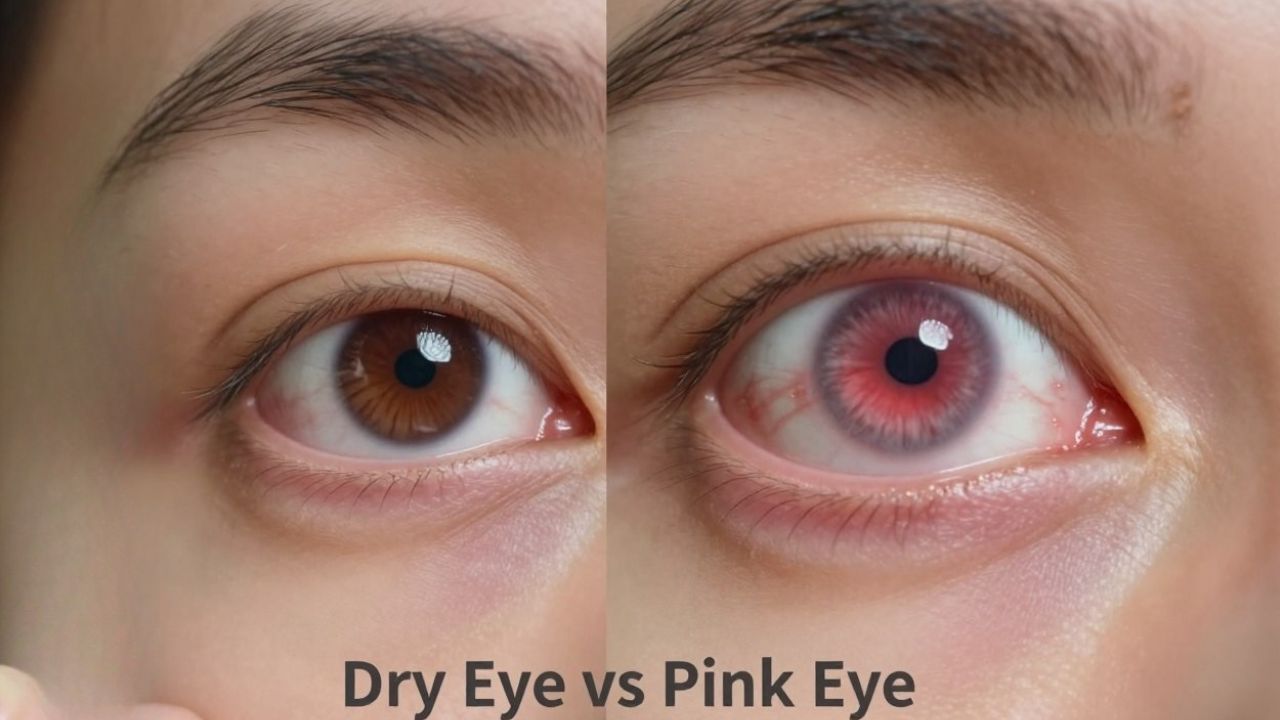
Dry Eye vs Pink Eye How I Avoid Harmful DIY Treatments
You wake up in a sudden panic, your lids feeling heavy, gritty, and stuck together. It is a frustrating experience, leaving you to guess if you need a simple drop or a trip to the clinic. I understand that fear, especially as we navigate the changes that come with age.
Understanding your ocular health is a vital part of your self-care journey. I am Samantha, and I am here to help you distinguish between common irritation and serious infections. This guide serves as your roadmap to avoiding the dangerous DIY trap while empowering you to take control of your vision.
To start, we must clarify the dry eye vs pink eye distinction. The former is typically a chronic moisture or oil deficit, while the latter is often an active infection or inflammation. Knowing the difference is the first step toward relief.
Common Indicators:
- Chronic Discomfort: A persistent sandy or burning sensation often linked to environmental factors.
- Acute Infection: Sudden redness, discharge, or crusting that suggests a viral or bacterial issue.
- Vision Changes: Blurry sight that fluctuates throughout the day.
- Sensitivity: Increased reaction to bright lights or wind.
Inflammation: Swelling of the lids or surrounding tissues.
Key Takeaways
- Distinguishing between chronic moisture loss and active infection is essential for proper care.
- Avoid the temptation of using random home remedies that may worsen your condition.
- Prioritize professional guidance when you notice sudden changes in your vision.
- Consistent wellness routines can help manage long-term ocular comfort.
- Empower yourself by learning the specific symptoms that require a doctor’s visit.
Understanding the nuances of eye irritation
I have learned that our eyes often tell a story long before we realize there is a problem. As I navigated my own journey through midlife, I discovered that the subtle signals my eyes sent were not just random occurrences. They were, in fact, important messages about my overall eye health that required my full attention.
Why our eyes change after 45
After the age of 45, many women notice significant shifts in their ocular comfort due to hormonal changes and natural aging processes. It is completely normal to feel like your eyes are suddenly more sensitive or prone to dryness. These changes are a natural part of our biological evolution, but they do require us to be more meticulous about our daily habits.
I found that by embracing a proactive mindset, I could manage these shifts effectively. Consistency is key when it comes to maintaining the moisture and health of the ocular surface. We must treat our eyes with the same care we give to our skin or our fitness routines.
“The eyes are the mirror of the soul, but they are also the most honest indicators of our internal well-being.”
The importance of listening to your ocular symptoms
Listening to your symptoms—whether it is a persistent gritty feeling or recurring redness—is the first step in maintaining long-term vision clarity. It is easy to dismiss these signs as simple fatigue, but they are often the body’s way of asking for support. By paying attention to these subtle signals, we can prevent minor discomfort from escalating into chronic issues that disrupt our daily lives.
I encourage you to trust your instincts when something feels off. If you notice that your eye irritation is becoming a regular companion, do not wait for it to resolve on its own. Taking small, intentional steps today will ensure that your vision remains clear and comfortable for years to come.
Dry eye vs pink eye: How to spot the difference
When my eyes feel irritated, I always take a moment to evaluate the specific signs before jumping to conclusions. It is easy to confuse various ocular issues, but knowing the nuances of dry eye vs pink eye is essential for your safety. Taking the time to observe your symptoms helps you choose the right path toward healing.
Identifying the hallmark signs of dry eye
Dry eye is typically a chronic condition that stems from a lack of moisture or poor tear quality. I often describe the sensation as a gritty, sandy feeling, as if something is stuck under my eyelid. Unlike infections, this condition usually affects both eyes and tends to worsen throughout the day.
“True eye wellness begins with understanding the root cause of your discomfort rather than just masking the symptoms.”
Recognizing the infectious nature of conjunctivitis
Pink eye, or conjunctivitis, is a different beast entirely. It is frequently caused by viruses or bacteria and is highly contagious. If you suspect you have this, please avoid sharing towels, pillows, or makeup to protect those around you.
Allergies vs pink eye: What you need to know
When comparing allergies vs pink eye, the primary difference is the level of itching. Allergies usually cause intense, watery itching that affects both eyes simultaneously. Pink eye often presents with a sticky discharge that can make your eyelids feel glued shut in the morning.
Distinguishing conjunctivitis vs stye
It is important to separate conjunctivitis vs stye when you notice redness. A stye is a localized, painful bump near the edge of the eyelid, similar to a pimple. Conjunctivitis, however, involves inflammation of the entire white part of the eye.
Pink eye vs blepharitis: Common points of confusion
Many people struggle with pink eye vs blepharitis because both cause red, irritated lids. Blepharitis is a chronic inflammation of the eyelid margins, often resulting in crusty debris at the base of the lashes. Pink eye is an acute infection of the eye surface itself.
Condition | Primary Symptom | Contagious? |
Dry Eye | Gritty/Sandy | No |
Pink Eye | Sticky Discharge | Yes |
Stye | Painful Bump | No |
Blepharitis | Crusty Eyelids | No |
Stop guessing: Take the free CorneaCare AI Eye Health Assessment
If you are still unsure about what your eyes are trying to tell you, do not leave your vision to chance. I encourage you to take the free CorneaCare AI Eye Health Assessment today. This tool provides personalized insights to help you identify your specific needs and regain your comfort.
The dangers of the DIY trap
I know how frustrating eye discomfort can be, but reaching for random store-bought solutions is a path I urge you to avoid. It is easy to assume that any bottle labeled for eye relief will work, yet this assumption often leads to unintended consequences. Your eyes are incredibly delicate, and treating them with guesswork can turn a minor irritation into a significant health concern.
Why random store-bought drops can cause more harm than good
Many over-the-counter drops contain preservatives or chemicals designed to “get the red out” rather than treat the underlying cause. These ingredients can mask symptoms while actually damaging the surface of your eye over time. When you use the wrong product, you might be introducing irritants that disrupt your natural tear film.
Instead of finding relief, you may find yourself trapped in a cycle of dependency. Relying on generic drops without understanding your specific condition often delays the proper diagnosis you truly need. True comfort comes from using products that support your ocular health rather than just suppressing the redness.
The risk of corneal erosion from improper medication
One of the most dangerous habits I see is the use of self-mixed salt solutions or homemade remedies. You should never put a self-mixed solution directly into your eye, as the lack of sterility can lead to severe infections. These mixtures often lack the correct pH balance, which can strip away the protective layers of your cornea.
Improper medication can lead to corneal erosion, a condition where the outer layer of the cornea becomes damaged and painful. This is far more difficult to treat than simple dryness and can lead to long-term vision issues. Protecting your sight means avoiding these risky DIY experiments at all costs.
Practice | Risk Level | Outcome |
Using sterile, preservative-free drops | Low | Safe hydration |
Self-mixing salt solutions | Critical | Corneal damage |
Ignoring persistent pain | High | Delayed healing |
When to stop self-treating and seek professional care
There comes a point where you must stop guessing and start listening to your body. If you experience persistent pain, extreme light sensitivity, or unusual discharge, it is time to consult a professional immediately. These symptoms are often clear indicators that your condition requires more than just a simple drop.
Professional guidance ensures that you receive the right treatment for your specific needs. Do not wait for the situation to worsen before reaching out for help. Your vision is precious, and expert care is the safest way to maintain it for years to come.
Building a sustainable eye wellness routine
I have found that building a sustainable eye wellness routine is the secret to maintaining clear and comfortable vision. By making small, consistent changes today, you are investing in your long-term ocular health and overall well-being.
Daily habits for long-term ocular comfort
True comfort starts from within by nourishing your body with the right nutrients. I always recommend incorporating foods rich in omega-3 fatty acids and lutein, as these play a vital role in supporting your eye health.
Beyond nutrition, remember to blink frequently when using digital screens and stay hydrated throughout the day. These simple, daily actions create a strong foundation for your eyes to thrive in a demanding world.
Selecting the best eye drops for corneal erosion and dryness
When your eyes feel gritty or irritated, choosing the right product is essential. You should look for the best eye drops for corneal erosion and dryness that are preservative-free to avoid further irritation.
Always prioritize doctor-recommended brands that provide deep, lasting moisture. Using the wrong products can often mask symptoms rather than solving the underlying issue, so be selective with what you put in your eyes.
Stop guessing: Take the free CorneaCare AI Eye Health Assessment
If you feel overwhelmed by your symptoms, you do not have to navigate this journey alone. I encourage you to use the free CorneaCare AI Eye Health Assessment to gain clarity on your specific needs.
This tool helps you refine your routine based on your current symptoms and lifestyle. By taking this proactive step, you can stop guessing and start providing your eyes with the targeted care they truly deserve.
Conclusion
Maintaining clear vision is a lifelong commitment that demands both wisdom and the right resources. I believe that understanding the subtle differences between dry eye and pink eye empowers you to make smarter choices for your daily comfort.
You possess the ability to transform your eye health by staying vigilant. I encourage you to view every symptom as a signal from your body that requires thoughtful attention rather than a quick fix.
Navigating these ocular challenges does not have to be a solitary journey. Professional guidance from experts at CorneaCare remains the most reliable path toward lasting relief. I trust that you will continue to prioritize your sight by choosing evidence-based care over risky home remedies.
Take charge of your wellness today. Your eyes work hard for you every single day, and they deserve the very best protection you can provide.
For evening relief from severe dryness and inflammation, I often combine preservative-free drops with a structured eyelid hygiene routine, as detailed in my [CorneaCare Eye Mask Review].
FAQ
How can I distinguish between dry eye and infectious pink eye on my own?
I have found that the most significant indicator is the nature of the irritation. Dry eye typically presents as a chronic, gritty sensation or a persistent burning, often worsening throughout the day. In contrast, pink eye (infectious conjunctivitis) is usually accompanied by a sticky discharge and is highly contagious. Because the stakes are so high for your vision and those around you, I always suggest taking the CorneaCare AI Eye Health Assessment to stop the guesswork and get a personalized profile of your symptoms.
What are the key differences when comparing allergies vs pink eye?
This is a question I encounter often! When it comes to allergies vs pink eye, the “itch factor” is the biggest clue. Allergies generally cause intense itching and watery eyes, usually affecting both eyes at once due to environmental triggers. Pink eye often starts in one eye and may feel more like a scratchy irritation than an itch. If you are struggling to tell them apart, it is safer to consult a professional rather than risking the spread of an infection.
How do I know if I am dealing with pink eye vs blepharitis?
Distinguishing pink eye vs blepharitis is vital for proper treatment. While pink eye involves the membrane covering the white part of your eye, blepharitis is specifically an inflammation of the eyelids. If you notice crusty debris or dandruff-like flakes at the base of your eyelashes, it is likely blepharitis. I manage my own ocular health by maintaining a strict eye wellness routine that includes eyelid hygiene to prevent these types of inflammatory issues from taking hold.
Can you explain the difference between conjunctivitis vs stye?
I like to think of a stye as a localized “pimple” or a painful red bump on the edge of the eyelid. Conversely, conjunctivitis is a broader inflammation that makes the entire white of the eye appear pink or red. When comparing conjunctivitis vs stye, remember that a stye is a blockage of a gland, while pink eye is an irritation of the eye’s surface. Neither should be treated with random, unverified drops, as this can lead to further complications.
What are the best eye drops for corneal erosion if I’ve over-treated my eyes?
If you have fallen into the DIY trap and are now facing the pain of corneal erosion, you must prioritize healing over simple lubrication. In my journey toward better eye health, I have found that the best eye drops for corneal erosion are typically preservative-free, high-viscosity lubricants like Refresh Relieva or specialized ointments such as CorneaCare Nighttime Ointment. However, because corneal erosion is a serious condition that can impair your vision, I urge you to seek professional care immediately to receive a clinical treatment plan.
How can I build a better eye wellness routine to avoid these issues entirely?
I believe that long-term vision health is built on small, consistent choices. My personal eye wellness routine involves nourishing my body with omega-3 fatty acids and lutein, staying hydrated, and using the CorneaCare AI Eye Health Assessment to check in on my symptoms regularly. By shifting from a reactive mindset to a proactive one, I ensure my eyes stay bright, comfortable, and healthy for years to come.
1 thought on “Dry Eye vs Pink Eye How I Avoid Harmful DIY Treatments”
Comments are closed.