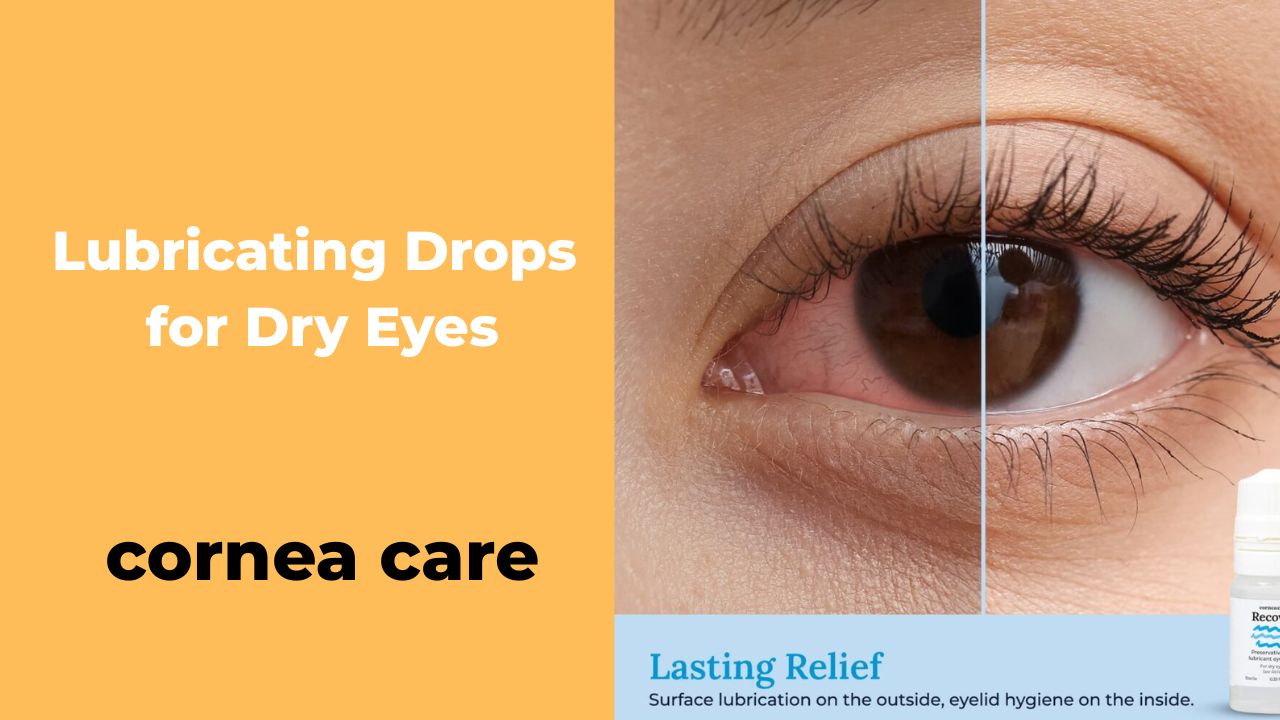
Lubricating Drops for Dry Eyes: How to Avoid the Hidden Chemical Rebound Cycle
It happens to almost all of us by mid-afternoon. You are staring intently at your desktop monitor or laptop screen trying to finish a project, and suddenly your vision blurs. Your eyes sting, feel intensely gritty, and a wave of fatigue washes over your eyelids. Your immediate instinct is to reach into your desk drawer, grab a bottle of drugstore eye drops, and flood your eyes with a few quick splashes.
But what if the very solution you are relying on is secretly keeping your eyes trapped in a vicious cycle of irritation?
As a health and wellness researcher, I have carefully vetted dozens of ocular formulations. I have watched friends and colleagues spend small fortunes on random over-the-counter bottles, only to complain that their eye dryness seems to worsen the more they use them. The truth is that not all lubricating drops for dry eyes are built equally. If you want true, lasting relief instead of a fleeting quick fix, you have to look past the generic retail packaging and understand the actual clinical science behind what you are putting onto your delicate ocular surface.
Key Takeaways
The Preservative Peril: Many multi-dose drugstore drops contain harsh chemical preservatives that actively erode your natural tear film over time.
The Rebound Cycle: Using drops that promise to “get the red out” can cause rebound redness and chemical dependency, worsening underlying dry eye symptoms.
The Preservative-Free Gold Standard: Single-use vials preserve the purity and sterility of the formulation without needing chemical additives.
Targeting the Root Cause: 86% of dry eye cases are tied directly to eyelid gland health, meaning topical drops are only one piece of a sustainable eye wellness routine.
The Hidden Chemical Trap: Preservatives vs. Preservative-Free
The single most critical piece of education I share with my readers regarding eye drops for dry eyes is the distinction between standard multi-dose bottles and premium preservative-free formulas.
When a manufacturer creates a standard plastic bottle designed to sit on a pharmacy shelf for months after opening, they must ensure that bacteria cannot breed inside the solution. To achieve this sterility, they introduce chemical preservatives, the most common of which is Benzalkonium Chloride (BAK).
While BAK is highly effective at killing bacteria inside a bottle, it acts as a harsh detergent on the surface of your eye. If you apply these drops more than four times a day, the accumulation of BAK begins to break down the microscopic lipid layer of your natural tear film. This induces localized cellular toxicity, damages your corneal cells, and triggers a devastating rebound cycle: your eyes dry out from the drops, causing you to apply more drops, which in turn strips away even more moisture.
If you are serious about long-term comfort, switching to preservative-free artificial tears is non-negotiable. These are packaged in individual, sterile single-use vials or high-tech one-way valve multi-dose bottles that completely block bacteria without needing a single drop of chemical preservatives.
What to Look for in Premium Artificial Tears
When evaluating best eye drops for daily use, look past the flashy branding and check the active ingredient panel. Premium, doctor-recommended eye care products use advanced lubricating polymers designed to mimic the natural molecular weights of human tears:
Hyaluronic Acid (HA): A powerhouse molecule naturally present in human tissues that binds up to 1,000 times its weight in water, offering prolonged hydration.
Carboxymethylcellulose (CMC): A highly stable polymer that adheres seamlessly to the ocular surface, protecting vulnerable corneal cells from friction during blinking.
Electrolyte-Balanced Formulations: Formulas containing essential ions like potassium, calcium, and magnesium that nourish and heal the delicate epithelial layers of the cornea.
Standard Drops vs. Preservative-Free Vials
To help visualize how your choice of drop impacts your eye health, let us examine how standard multi-dose shelf options stack up against premium preservative-free single-use alternatives:
| Feature | Standard Multi-Dose Drops | Preservative-Free Single Vials |
| Primary Formulation | Contains Chemical Preservatives (e.g., BAK) | $100\%$ Preservative-Free, Sterile Solution |
| Ocular Toxicity Risk | High if applied more than 4x daily | Zero chemical toxicity risk |
| Primary Hydration Action | Temporary wetness followed by rebound dryness | Deep cellular layer moisture retention |
| Sterility Control | Risk of tip contamination over time | Single-use ensures complete sterility |
| Best Used For | Rare, occasional emergency clearing | Daily maintenance & chronic relief |
Addressing the Root Cause: Meibomian Gland Dysfunction
While finding the safest lubricating drops for dry eyes offers immediate symptomatic comfort, we must acknowledge a critical diagnostic truth: drops are simply a temporary bandage. They patch over your symptoms, but they do not solve why your eyes are dry in the first place.
Clinical data shows that roughly 86% of dry eye sufferers are actually dealing with meibomian gland dysfunction (MGD). Your eyelids contain tiny oil glands that secrete the outer lipid barrier of your tear film. When these glands become blocked by environmental debris, old cosmetics, or prolonged screen staring (which cuts your natural blink rate in half), your tears evaporate almost instantly, leaving the ocular surface exposed and burning.
True ocular comfort requires a comprehensive, holistic approach. Alongside clean, preservative-free drops, you must cultivate a dedicated eyelid hygiene routine utilizing high-quality eye care products like warm compresses to melt away blocked oils and gentle eyelid wipes to eliminate bacterial biofilm.
🛑 Stop Guessing on the Pharmacy Aisle: Take the Free AI Assessment
Instead of spending hundreds of dollars playing trial-and-error with random products, let doctor-developed technology do the heavy lifting. I highly encourage you to take the [Free CorneaCare AI Eye Health Assessment] right now. Developed by elite ophthalmic surgeons, this rapid 2-minute clinical algorithm maps out your screen habits, climate metrics, and precise physical symptoms to curate a tailored daily routine just for you. Even better, completing the assessment unlocks an exclusive 20% discount code on your customized starter pack of clean solutions.
My Definitive Premium Lubricating Recommendations
If you are looking for pure, clinical-grade drops that fully comply with a clean ingredient standard, these are the direct solutions I recommend to my readers:
[Get Preservative-Free CorneaCare Artificial Tears]: These single-use vials are beautifully formulated to match natural tear osmolarity, providing deep, frictionless lubrication perfect for heavy computer users and contact lens wearers.
[Explore the Complete CorneaCare Shop Eyecare Collection]: To build out your complete foundational routine, combine your clean drops with travel-friendly eyelid wipes and therapeutic self-heating compresses to tackle the root of meibomian blockages.
Conclusion
Your vision is one of your most irreplaceable assets, and caring for it requires both patience and evidence-based wisdom. Continuing to flood your eyes with cheap, preservative-laden chemicals only keeps you trapped in an endless cycle of daily discomfort.
By switching to high-quality, preservative-free lubricating drops, staying consistently hydrated, and supporting your internal meibomian health, you can reclaim bright, comfortable, and fatigue-free vision all afternoon long. Step away from the generic drugstore options and start treating your eyes with the specialized, doctor-founded care they truly deserve.
FAQ
How many times a day is it safe to apply lubricating drops for dry eyes?
If you are using standard drops out of a multi-dose plastic bottle containing chemical preservatives, you should limit use to a maximum of 4 times daily to prevent ocular surface toxicity. However, if you switch to pure, preservative-free single-use vials, they are completely safe to apply as frequently as needed throughout the day.
Can eye drops actually make your dry eyes worse over time?
Yes. If your drops contain vasoconstrictors (ingredients meant to constrict blood vessels to clear out redness), they trap you in a “rebound cycle.” Once the chemicals wear off, the blood vessels dilate further, causing worse redness and severe chronic dryness. Always choose pure lubricating formulas over redness-relief drops.
What is the advantage of single-use vials over a standard drop bottle?
Single-use vials ensure complete sterility without requiring chemical preservatives like Benzalkonium Chloride (BAK). You crack open a fresh vial, coat your eyes with pure hydration, and discard it, entirely preventing the cross-contamination risks common to traditional bottles.
Is taking an eye assessment necessary just to find good lubricating drops?
While you can buy drops blindly, taking the [Free CorneaCare AI Eye Health Assessment] ensures you aren’t wasting cash on the wrong viscosity or type of product. The short clinical algorithm pinpoints whether your issues stem from low water production or poor lipid quality, providing a direct, accurate roadmap to relief.